Block
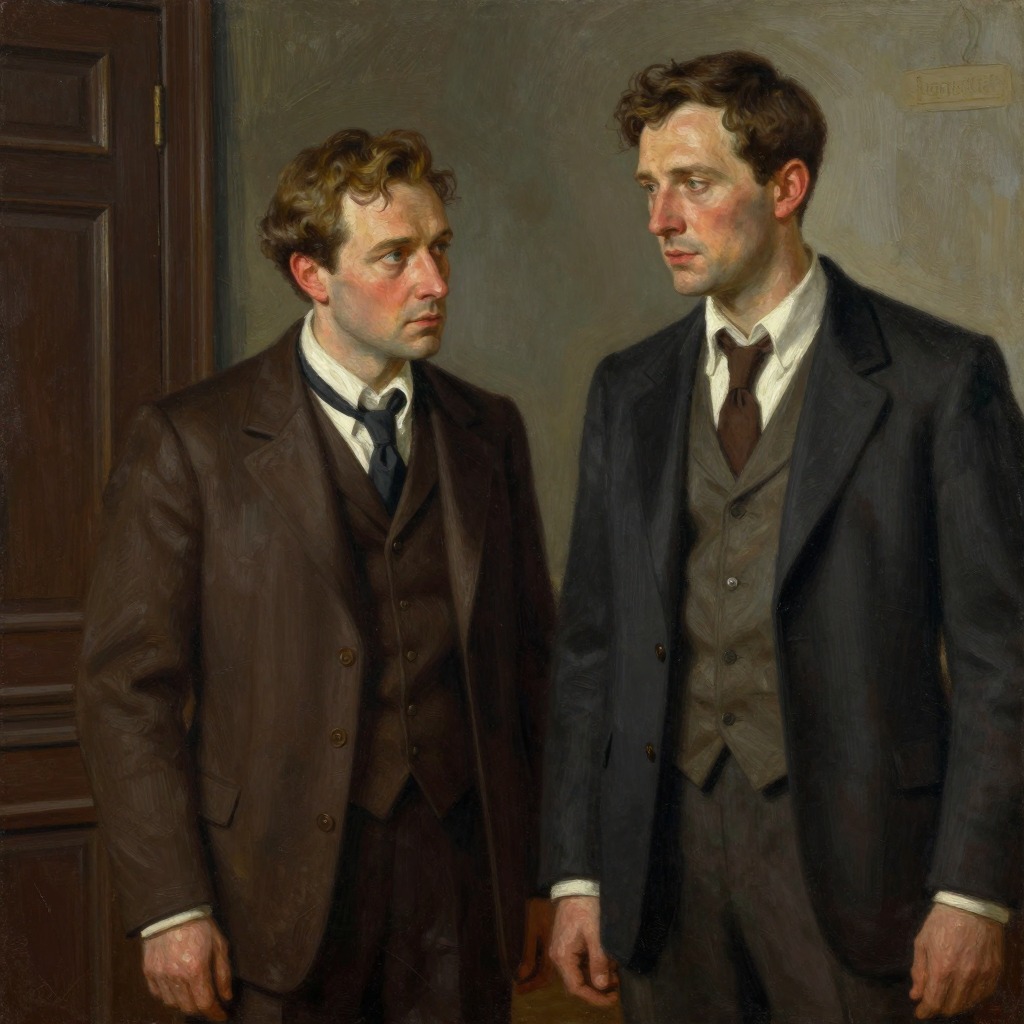
Block is a small, wizened businessman with a full beard who has been a client of Dr. Huld for more than five years, his trial having begun soon after the death of his wife. He first appears in the narrative when K. arrives at the lawyer's house late one evening and finds Block, dressed only in his nightshirt, opening the door. Block is immediately presented as a figure of utter subservience: he is terrified of the lawyer, speaks in a whisper, and is clearly accustomed to being treated with contempt. He has, over the course of his long case, taken on five additional petty lawyers besides Dr. Huld, a practice that is strictly forbidden and which he confesses to K. with great shame. This confession reveals the desperate, superstitious logic that governs the behavior of the accused: Block believes that he must leave no stone unturned, even if the chances of success are minuscule, and he has poured all his money into the case, reducing his business from a whole floor to a single back room with one apprentice. He spends nearly every day in the Court offices, waiting in the corridor, and he has become a repository of the folklore and superstitions that circulate among the defendants, such as the belief that the shape of a man's lips can foretell his conviction. When K. tells Block that he intends to dismiss Dr. Huld, Block reacts with hysterical excitement, running around the kitchen and shouting the news, a response that reveals how unthinkable such an act is within the closed world of the Court's clients.
Life Under the Lawyer's Control
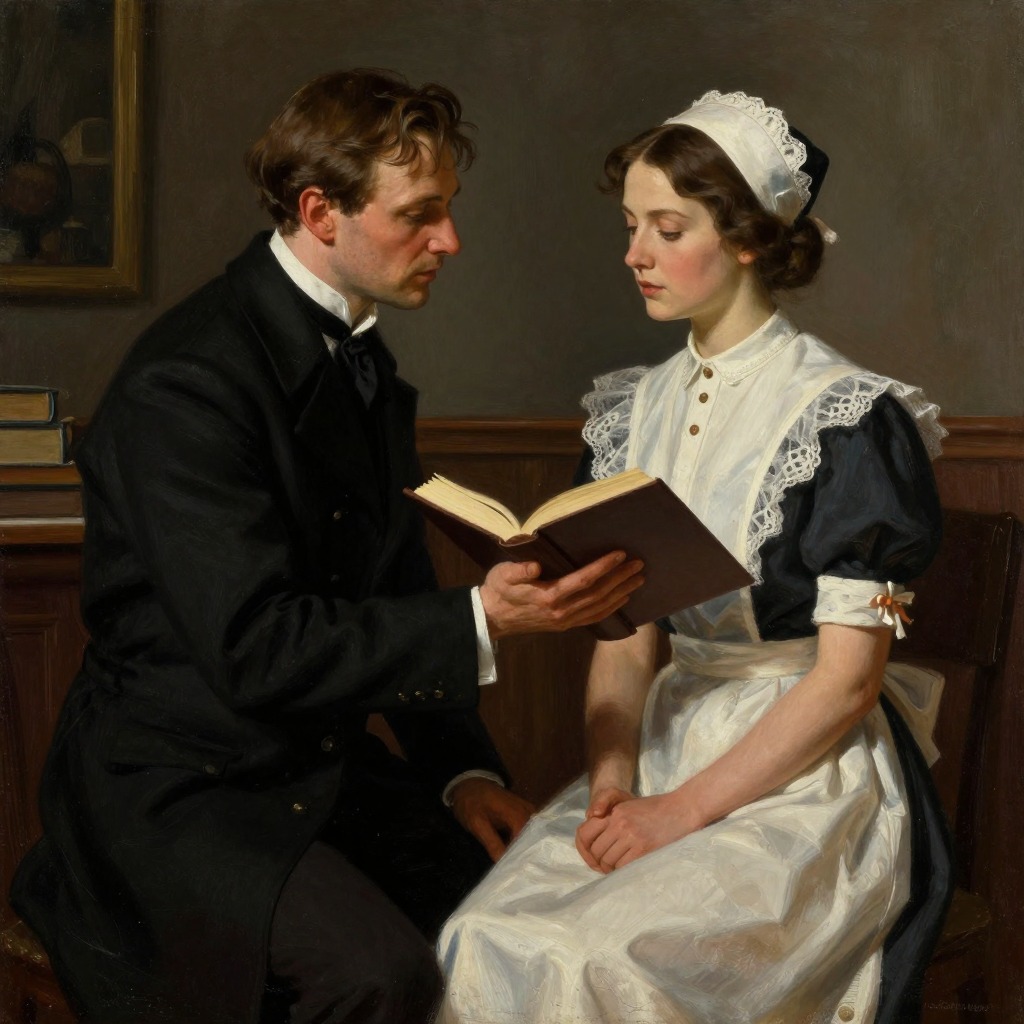
Block's existence is entirely circumscribed by the demands of his case and the whims of Dr. Huld. He is forced to sleep in the maid's room—a narrow, windowless cell with a bed that fills it completely—so that he can be available whenever the lawyer might want to see him, even in the middle of the night. Leni, the lawyer's nurse and assistant, explains that Dr. Huld often refuses to receive Block for days at a time, and if Block is not on the spot when he is finally summoned, everything must start over again. Block accepts this arrangement without complaint, and Leni notes that he actually likes sleeping there. When K. is finally admitted to see the lawyer, Block is summoned to the bedside as a living demonstration of the lawyer's power. The scene that follows is one of the most grotesque in the novel. Block kneels beside the bed, strokes the bedcover, and begs Leni to intercede for him. He performs a hand-kiss at her urging, repeating it twice. The lawyer, speaking into the wall, tells Block that a judge has said his trial has not even begun, and Block, who has been reading legal papers all day in the dark, is reduced to a state of trembling, wordless terror. K. watches this performance with disgust, realizing that the lawyer's methods are designed to make the client forget the world and become a dog-like creature of pure hope and fear.
Relationship with K. and Thematic Significance
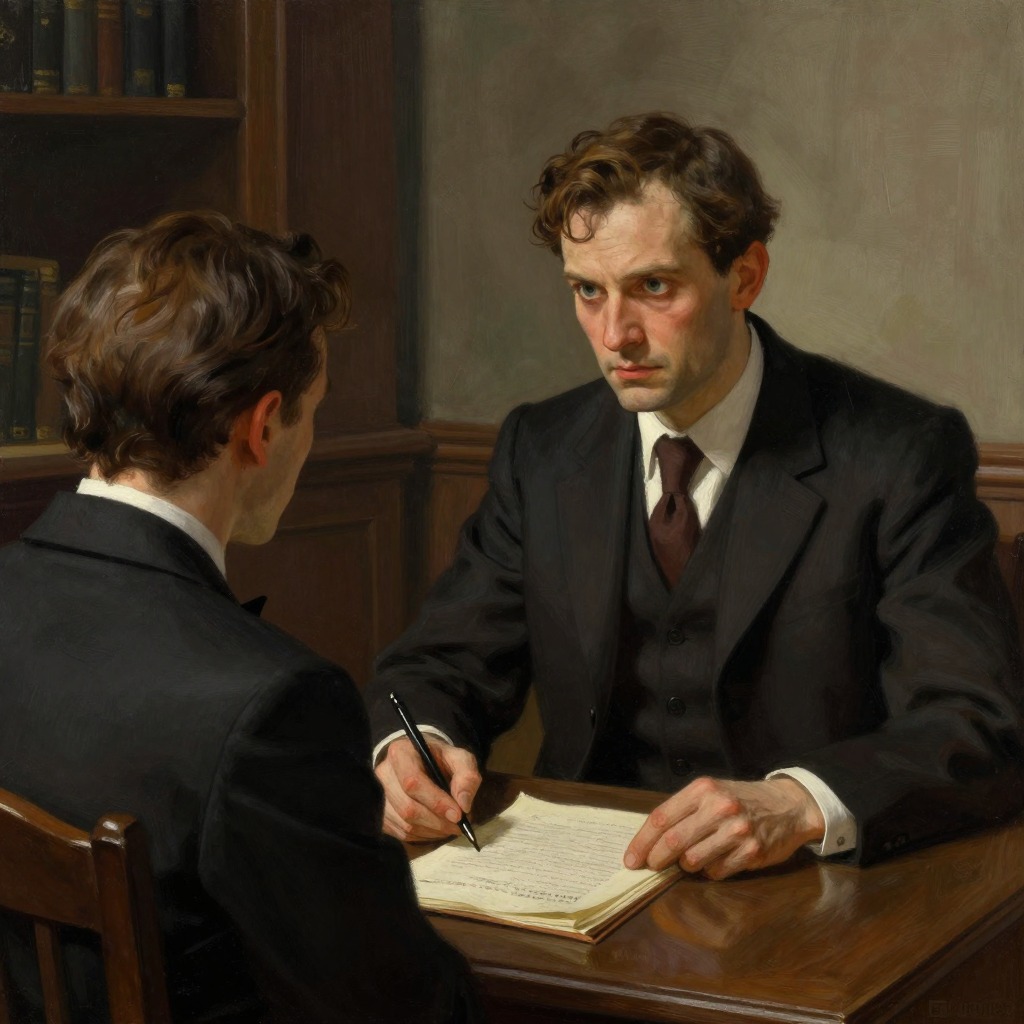
Block serves as a dark mirror for K., a vision of what K. himself might become if he remains within the Court's orbit. K. initially treats Block with condescension, but as Block reveals his long experience and his knowledge of the Court's inner workings, K. begins to listen with genuine interest. Block's account of the lawyer's useless documents, the superstitions of the waiting room, and the impossibility of making progress all confirm K.'s own growing disillusionment. Yet when Block, in the lawyer's presence, turns on K. and insults him, K. sees the full extent of the man's degradation: Block is so broken that he cannot recognize that the lawyer is deliberately humiliating him, and he attacks the one person who might have been an ally. Block's final words to K. are a warning: "If you're under suspicion it's better to be moving than still, as if you're still you can be in the pan of the scales without knowing it and be weighed along with your sins." This proverb, born of five years of suffering, encapsulates the paranoid, passive-aggressive worldview that the Court instills in its victims. Block is not a major actor in the plot, but his presence is essential: he embodies the fate that K. is desperately trying to avoid, and his abject state makes K.'s own decision to dismiss the lawyer seem both necessary and terrifyingly risky.